 Skip to content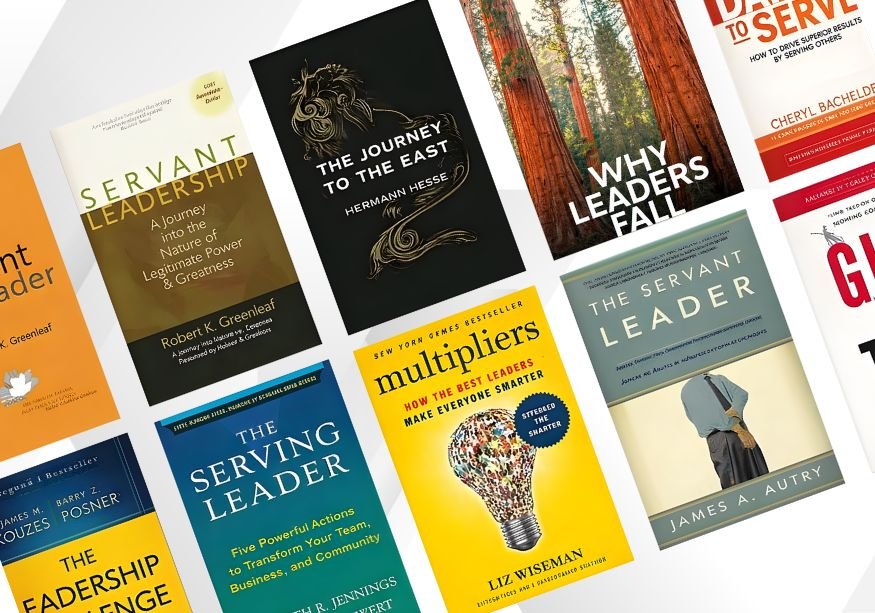
Leadership in 2025 is no longer defined by authority, position, or visibility. Instead, it is shaped by resilience, self-awareness, ethical responsibility, and the ability to grow others without losing oneself. Across industries, organizations are experiencing leadership failures that are not rooted in lack of talent, but in weak foundations, isolation, imbalance, and neglected values. This shift has sparked renewed attention toward new leadership books 2025, works that challenge outdated leadership myths and replace them with grounded, human-centered wisdom.
Among these influential releases, Why Leaders Fall: A Journey Through the Redwoods by Robert N. Tullar stands out as a deeply reflective and practical guide. Rather than promoting quick wins or surface-level motivation, this book examines why leaders collapse under pressure—and more importantly—how they can build the kind of foundation that allows them to endure, recover, and grow stronger over time. As organizations search for clarity in uncertain times, this book is redefining what it truly means to succeed as a leader.
A New Leadership Reality for 2025
The modern leadership landscape is unforgiving. Leaders are expected to deliver results, manage people, adapt to constant change, and remain emotionally intelligent—all while navigating personal responsibilities and mental strain. Many fail not because they are incapable, but because they attempt to lead alone.
This is where new leadership books differ from past leadership literature. Instead of glorifying lone heroes or relentless hustle, these emphasize sustainability, interdependence, and inner strength. They recognize that leadership failure often begins quietly—through burnout, disconnection, ethical drift, or neglected relationships—long before it becomes visible.
Why Leaders Fall addresses this reality head-on by using the powerful metaphor of the Redwood forest to explain leadership success and collapse. Redwoods are among the tallest and strongest trees on earth, yet their roots are surprisingly shallow. Their survival depends not on depth alone, but on wide, interconnected root systems. Tullar uses this natural truth to reveal a core leadership lesson: leaders fall when their support systems, values, and balance erode.
Why Leaders Fail: The Hidden Causes
Why Leaders Fall offers a clear, grounded look at why leaders fail—beyond incompetence or poor decisions. One major cause is isolation. As responsibility grows, many leaders pull away from peers, mentors, and even family, weakening judgment and increasing pressure. Another cause is imbalance. When professional success comes at the expense of emotional, physical, or spiritual health, instability follows. This aligns with ideas found across new leadership books 2025, which emphasize whole-life leadership. Finally, leaders fall when they stop growing. Experience alone is not enough; resilient leaders remain open to learning, feedback, and change, just as even mature Redwoods continue strengthening their roots.
For deeper analysis on this topic, see our in-depth blog “Reasons Why Leaders Fail: The Most Common Leadership Mistakes and How to Avoid Them“, which explores real-world examples, patterns, and practical solutions for sustainable leadership through the lens of Robert N. Tullar’s book.
The Cost of Leadership Failure
Leadership failure rarely affects only the leader. One of the most sobering insights in Why Leaders Fall is the ripple effect caused by a falling “big tree.” When a Redwood falls, it shakes the forest floor and damages smaller trees around it. Likewise, when leaders fall, employees lose direction, families experience emotional fallout, and organizations suffer long-term consequences.
This perspective is particularly relevant in 2025, as trust in leadership continues to decline across institutions. Leadership books increasingly emphasize responsibility—not just for outcomes, but for people. Leadership is no longer viewed as a personal achievement but as a shared trust.
Tullar’s work makes it clear that leadership is not about standing above others, but about standing with them. The strength of a leader is measured not by how high they rise, but by how many others remain standing when challenges arise.
Building a Resilient Leadership Foundation and Mindset
At the heart of Why Leaders Fall is the concept of the “root system.” Leadership resilience is built through two interconnected forms of roots: inner roots and relational roots.
Inner roots include integrity, discipline, humility, and self-awareness. These are the values that guide decisions when pressure is high. Without them, leaders may achieve short-term success but are unlikely to sustain it. Tullar emphasizes that character is not optional—it is structural.
Relational roots consist of mentors, peers, family, and trusted advisors. These connections provide perspective, accountability, and emotional grounding. In the same way that Redwoods intertwine their roots for stability, leaders must intentionally build networks of trust.
To master leadership from the ground up, explore our blog “Best Resilient Leadership Books: Strengthen Your Mindset, Grit & Decision-Making“, which examines how strong leadership is built on resilient foundations, disciplined thinking, and mindset-driven skills that support long-term growth and sound decision-making.
Leadership Is Not a Solo Journey
A defining message throughout the book is that leadership is communal. Leaders who believe they must carry everything alone eventually break. Those who build and trust their root systems endure.
This message resonates strongly with readers seeking motivational new leadership books 2025 that offer depth rather than hype. Motivation in this context does not come from ambition alone, but from purpose, connection, and clarity.
Tullar also challenges leaders to intentionally grow others. Leaders who invest in developing people around them create resilience not only for themselves, but for their organizations. This generational mindset ensures continuity and stability, even when individual leaders step away or fail.
Navigating Failure and Recovery
One of the most powerful sections of Why Leaders Fall focuses on what happens when the bottom falls out. Unlike traditional leadership books that avoid failure, Tullar treats it as a teacher.
Failure, in this framework, is not the end of leadership—it is a test of foundation. Leaders who have strong roots may fall, but they do not disappear. They recover, learn, and often return stronger and wiser. This approach reflects the evolving tone of new leadership books 2025, which increasingly normalize failure as part of authentic leadership growth.
Tullar also emphasizes reflection during times of success. Leaders are warned not to assume stability simply because things are going well. True resilience is built before a crisis arrives, not after.
A Human-Centered Vision of Leadership Success
Unlike performance-driven leadership models, Why Leaders Fall defines success in human terms. Success is measured by balance, impact, and legacy—not just metrics or titles.
This philosophy aligns closely with trends seen in new leadership development books 2025, which prioritize emotional intelligence, ethical decision-making, and sustainable influence. Leaders are encouraged to ask not only “What am I achieving?” but “Who am I becoming?”
By grounding leadership in personal responsibility and relational health, Tullar’s work offers a corrective to burnout culture and transactional leadership.
Similar Leadership Perspectives Worth Exploring
Readers interested in expanding their understanding of these themes may also find value in books with similar perspectives, such as:
- The Power of Mattering by Zach Mercurio,
- The Doors You Can Open by Rosalind Chow
- Meaningful Work by Wes Adams & Tamara Myles
- Managing Up by Melody Wilding
- You’re the Boss by Sabina Nawaz
These all further explore purpose, influence, and modern leadership dynamics. If you want to grow your library, visit our blog “Best Leadership Books 2025 That Can Be Helpful In Your Leadership Journey“, which features a curated list of books for every professional path, including both new and classic titles, along with additional insights inspired by Robert N. Tullar’s leadership principles.
Why This Book Matters in 2025
In a year defined by uncertainty, complexity, and leadership fatigue, new leadership books 2025 are not just guides—they are necessities. Why Leaders Fall stands out because it does not promise shortcuts. Instead, it offers truth, wisdom, and a path toward enduring leadership.
Its lessons apply equally to executives, managers, parents, educators, and community leaders. Leadership, as Tullar reminds us, exists wherever influence exists.
For readers searching for the best new books about leadership 2025, this book delivers insight that is timeless yet urgently relevant. It challenges leaders to slow down, look inward, and build foundations that can withstand storms.
Final Thoughts
The leadership challenges of 2025 demand more than confidence and strategy—they demand resilience, humility, and connection. Through its rich metaphor and practical guidance, Why Leaders Fall: A Journey Through the Redwoods redefines leadership success as something rooted, relational, and renewable.
As new leadership books 2025 continue to reshape how leaders think and succeed, this book serves as a reminder that the strongest leaders are not those who never fall, but those who build roots deep and wide enough to rise again.
For further recommended books and 2025’s bestselling titles, see our blog “Best Leadership Books to Read In 2025: Must-Read Titles for Ambitious and Growth-Driven Leaders“, which highlights influential leadership reads, emerging trends, and practical insights for leaders focused on continuous growth and long-term impact.
